



Port Customs Clearance and Release: Shanghai bussines trade group Connects In-Russia Transportation
Published on:2026-06-15
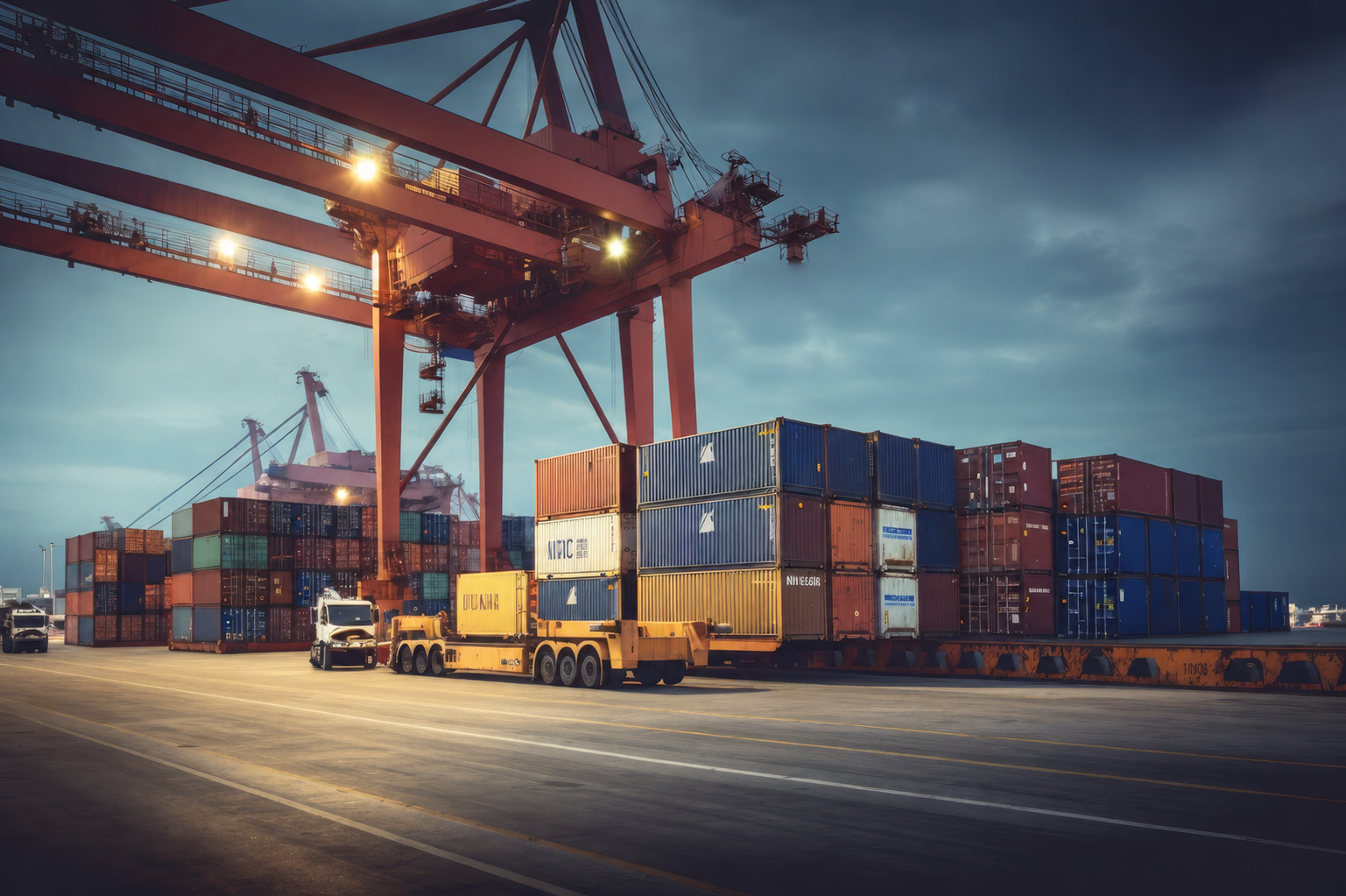
The operation of China-Russia cross-border trade relies on the seamless connection between port customs clearance and inland transportation. The efficiency of port customs clearance directly determines whether goods can quickly enter the in-Russia transportation link, while the stability of inland transportation serves as a key factor affecting trade cooperation. As a professional service provider deeply engaged in the China-Russia logistics industry, Shanghai bussines trade group has built a mature service system for connecting port customs clearance and inland transportation through years of industry accumulation. Supported by compliant qualifications and professional operational capabilities, the company realizes rapid docking with in-Russia transportation after goods are released from port customs. It opens up the full "customs clearance-transportation" link, provides enterprises with integrated logistics services from ports to terminals, demonstrates the comprehensive strength of a professional logistics service provider, and supports enterprises in carrying out Russia-oriented trade business.
1. Compliant Customs Clearance Lays a Solid Foundation for Transportation
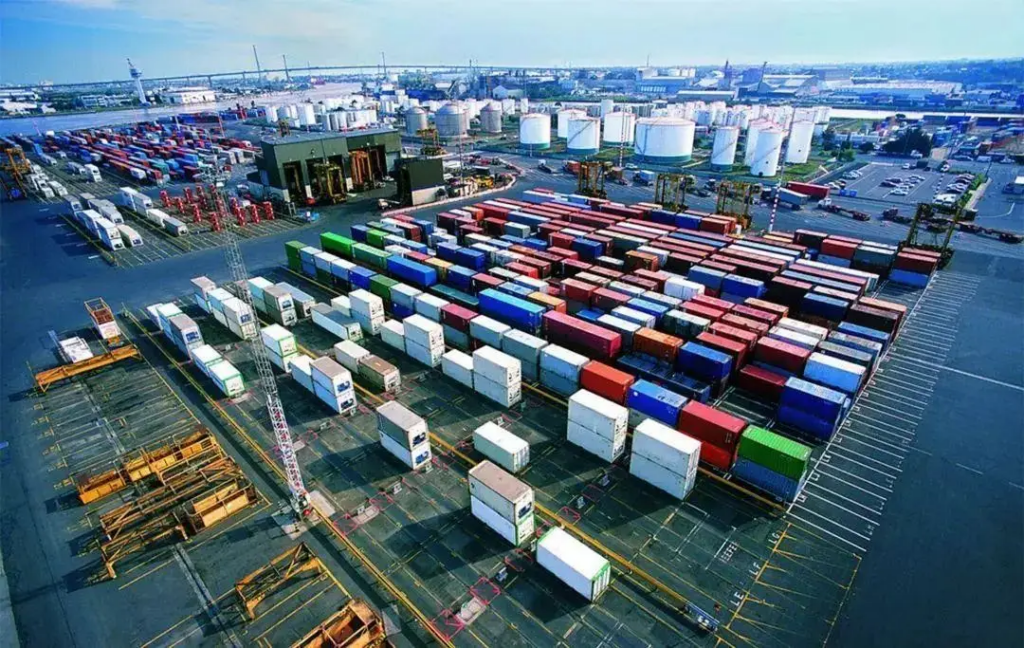
Shanghai bussines trade group holds complete cross-border logistics operation qualifications and strictly abides by the logistics supervision requirements of China and Russia. All customs clearance operations comply with Russian customs regulations, ensuring smooth port customs clearance and release for goods. With in-depth interpretation of Russian customs policies, the company grasps the key points of the clearance process, sorts out documents required for cargo declaration in advance, and completes declaration operations in a standardized manner. It ensures that every batch of goods passes port inspection in full compliance with rules, lays a solid foundation for subsequent inland transportation, avoids compliance risks in logistics links from the source, and enables goods to enter the inland transportation stage smoothly.
2. Seamless Transportation Connection Unblocks Logistics Links
Immediately after goods complete port customs clearance and release, Shanghai bussines trade group launches inland transportation docking services without additional coordination required by enterprises, realizing zero-gap connection between customs clearance and transportation. Proficient in the inland logistics road network of Russia, we plan optimal transportation routes and deploy matched transport vehicles to ensure rapid cargo transshipment from ports and avoid link disconnection. We have established a sound cargo handover mechanism with dedicated personnel responsible for cargo handover from ports to transport vehicles and cargo information verification. This guarantees intact cargo conditions and fully prepares goods for subsequent inland transportation.
3. Professional Scheduling Support Ensures Transportation Stability
Relying on a mature scheduling system, Shanghai bussines trade group integrates high-quality inland transportation resources in Russia and forms a professional transportation team to formulate targeted transportation solutions for different cargo types. We match exclusive transport vehicles and routes for both full-container goods and scattered parcels to ensure safe and orderly transportation processes. A real-time cargo tracking mechanism is implemented to monitor transportation dynamics and prevent various transportation risks. We ensure goods arrive at designated destinations on time and in safe condition, effectively resolving enterprises’ logistics concerns in Russia-oriented exports.
Always taking compliance as the core operational principle, Shanghai bussines trade group closely integrates port customs clearance with inland transportation to build an integrated "customs clearance-transportation" service model. Enterprises can access full-process services from port customs clearance to inland transportation without docking with multiple service providers. In the future, Shanghai bussines trade group will continuously optimize connection procedures, strengthen inland transportation capabilities, and provide more reliable logistics support for enterprises based on standardized operational specifications and rich industry experience. We help enterprises unblock the full logistics chain for Russia-oriented trade and promote the high-quality development of China-Russia cross-border trade.
- Tags
- None
Related Articles
-
What Modules Are Included in the End-to-End China-Russia Cross-Border Logistics Service? Full Breakdown by Bixi Trading
As China-Russia cross-border trade develops into a normalized pattern, simple single trunk transportation can no longer satisfy foreign trade enterprises’ overseas market expansion plans. Complete end-to-end cross-border logistics services have become the core pillar for stable trade with Russia. At present, Russian customs authorities continue to tighten supervision and intensify inspections on imported goods. The […]
2026-07-31 -
How to Select an International Freight Forwarder Between China and Russia? Reliable & Stable China-Russia Special Lines from Bixi Trading
The China-Russia cross-border logistics industry is undergoing rapid upgrades, yet freight service providers in the market vary drastically in service quality. Most foreign trade enterprises struggle to screen suitable partners that match their shipping demands during supplier selection. Meanwhile, Russian customs authorities keep tightening supervision and intensifying inspections on inbound cargo. Unregulated logistics channels bring […]
2026-07-31 -
How to Coordinate Multi-Batch Cargo Transit Across Russia? Custom Dispatching Solutions from Bixi
The scale of China-Russia cross-border trade keeps expanding, and enterprises are shipping goods to Russia with rising frequency. Multi-batch, multi-category shipments bound for diverse destinations have become an industry norm. Meanwhile, Russian customs supervision standards are continuously tightened with intensified inspections on imported goods. Conventional decentralized transit models tend to suffer disjointed terminal handovers, broken […]
2026-07-30