


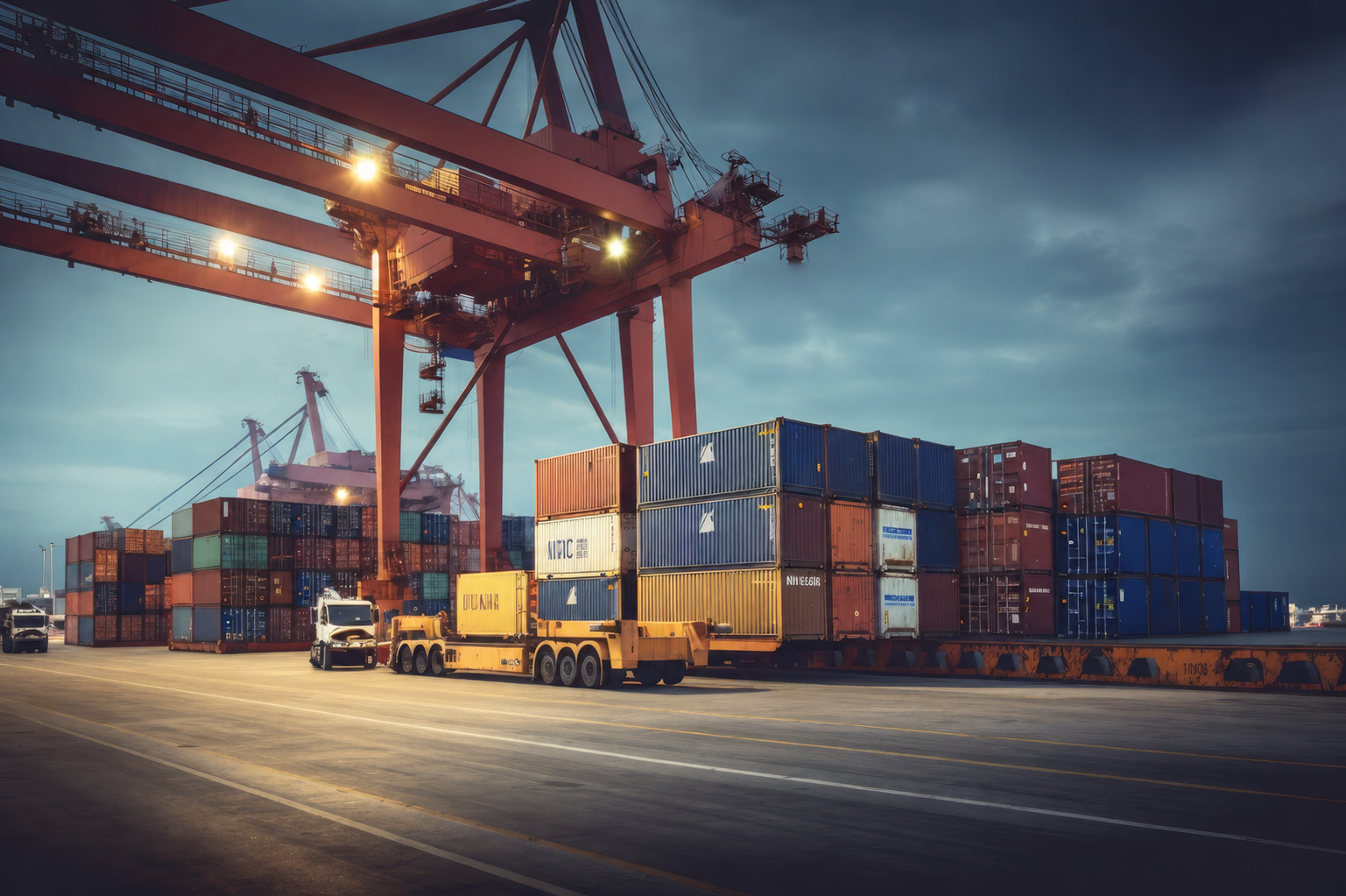

Common Customs Clearance Bottlenecks for Chinese Exporters Shipping to Russia & In-Depth Analysis by Bixi Trading
Published on:2026-08-12
The scale of China-Russia cross-border trade keeps expanding, attracting more domestic enterprises to tap into the Russian market. During actual operations, various bottlenecks in Russian customs clearance often become the core cause of shipment delays. Most clearance obstacles stem not from the goods themselves, but from insufficient understanding of local Russian regulations and inadequate declaration preparation. Tatyana Kulyabina, General Manager of Huoding Finance Freight Agency and Founder of Shanghai Bixi Trading Co., Ltd., analyzes each typical customs clearance bottleneck based on frontline operational experience.

1. Commodity Classification Deviations Trigger Regulatory Alerts
HS tariff code classification forms the foundational core of Russian customs clearance and is one of the most frequent bottlenecks. Different materials, functions and intended uses of goods correspond to distinct tariff codes, with varying applicable tax rates and regulatory requirements. Many enterprises classify goods independently only by product names, ignoring functional characteristics and Russian classification detailed rules, leading to overly broad categorization or mismatched tariff codes. Upon arrival, such errors directly trigger regulatory alerts, customs inspections and cargo detention.
Shanghai Bixi Trading Co., Ltd. has built a dedicated classification verification mechanism tailored to audit standards at core hubs including Vorsino Station, Belyy Rast Station and Shushary Station in Saint Petersburg. It completes commodity property assessment and tariff code matching before shipment, eliminating classification-related clearance bottlenecks at the source.
2. Mismatched Qualification Documents Block Audit Procedures
Russian customs enforces stringent document review standards for inbound goods. Certificates of origin, product certifications and filing documents must fully align with declaration information. Enterprises frequently encounter inconsistent data, expired credentials and missing paperwork during document preparation, resulting in rejected declarations and extended clearance cycles.
Russia’s customs supervision policies are continuously tightened with intensified inspections on foreign inbound goods, pushing most enterprises to adopt formal legal clearance channels. Bixi Logistics delivers full legitimate customs clearance integrated with complete Russian Honest Mark (Честный знак) compliance workflows, fully adhering to white customs clearance standards. The team cross-checks document completeness and consistency against the latest regulatory requirements, supplementing missing materials in advance to secure one-pass declaration approval. The company explicitly rejects customs clearance services for liquid goods to avoid document and inspection bottlenecks associated with high-risk commodities.

3. Divergent Terminal Operation Standards Prolong Transit Cycles
Russian freight stations adopt distinct local workflows, audit priorities and cargo handover rules. Enterprises that reuse declaration experience from a single port for all terminals will face adaptability issues. Certain stations impose exclusive specifications for cargo packaging, marking and space reservation; non-compliance causes cargo to be stranded and unable to enter subsequent sorting procedures.
Professional clearance teams master detailed operational rules for every terminal and adjust declaration & delivery standards in advance. Corresponding operation plans are deployed for inbound terminals serving air, sea and multimodal freight, enabling fast cargo turnover after arrival and reducing procedural delays at terminals.
Conclusion
Nearly all Russian customs clearance bottlenecks lie hidden within regulatory fine print and regional terminal differences. It is difficult for enterprises handling clearance independently to cover all minor risk points. Specialized in Russia-focused customs services, Bixi Trading leverages an end-to-end service system covering classification verification, document management and terminal adaptation to resolve all types of clearance bottlenecks and ensure smooth export operations to Russia.
- Tags
- None
Related Articles
-
How to Combine Customs Clearance & Transit Services for High‑Frequency Shipments to Russia? Custom‑Optimized Solutions by Bixi Trading
As business volumes targeting Russia expand, many foreign‑trade enterprises enter a phase of high‑frequency shipments. Characterized by numerous batches, scattered destinations and mixed commodity types, such operations impose higher adaptability requirements on customs‑clearance and transit services. Conventional standardized services can hardly match the rhythm and efficiency demands of frequent shipments, so enterprises require customized combined […]
2026-08-21 -
What Value‑Added Services Do Russia‑Focused Freight Forwarders Provide? Systematic Overview by Bixi Trading
China‑Russia cross‑border trade keeps deepening. Foreign‑trade enterprises’ logistics demands for Russia‑bound shipments have evolved from basic transportation to full‑dimension end‑to‑end support. Most Russia‑specialized freight forwarders on the market only deliver standardized transportation and customs‑clearance services, which fail to satisfy enterprises’ diversified operational requirements. Tatyana Kulyabina, General Manager of Huoding Finance Freight Agency and Founder of […]
2026-08-21 -
What Are the Core Advantages of Russia‑Bound Services Offered by Shanghai‑Based International Logistics Companies? In‑Depth Analysis by Bixi Trading
As a core domestic hub for cross‑border logistics, Shanghai hosts a large number of logistics providers offering Russia‑route services. Shanghai international logistics companies differ in business focus and capability sets; enterprises specialized in this vertical segment usually possess more prominent core competitive strengths. Tatyana Kulyabina, General Manager of Huoding Finance Freight Agency and Founder of […]
2026-08-20