



How Shanghai‑Based International Logistics Firms Build Integrated China‑Russia Logistics Chains? Practical Empowerment by Bixi Trading
Published on:2026-08-18
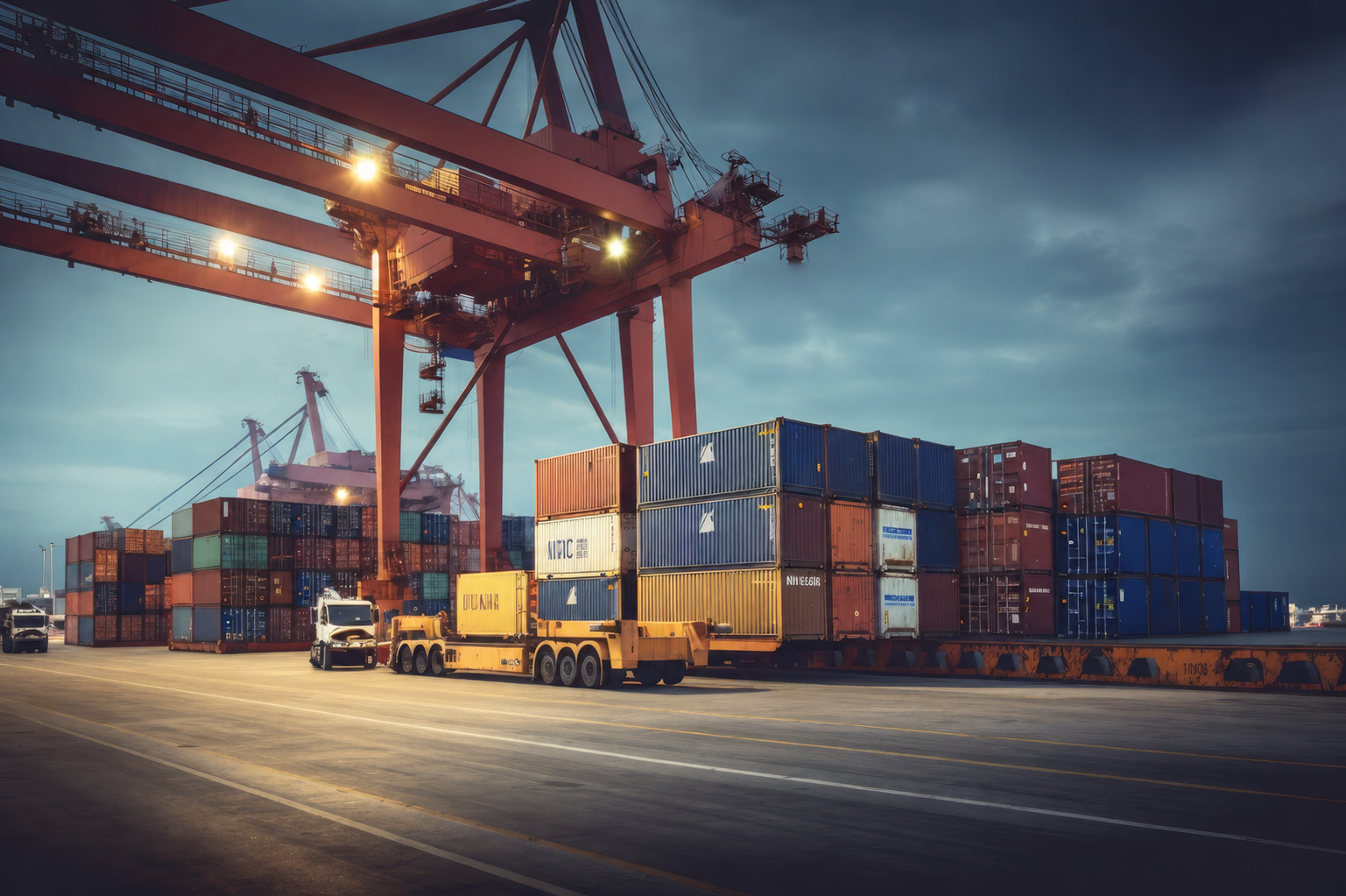
As a core domestic cross‑border logistics hub, Shanghai benefits from well‑developed port infrastructure and industrial agglomeration, making it a vital origin and consolidation centre for export cargo bound for Russia. Most Shanghai‑based international logistics firms adopt a resource‑assembly model for Russia‑oriented business. Domestic, cross‑border and Russian‑inland segments are operated by separate entities, failing to deliver genuinely integrated end‑to‑end chains, which leads to notable deficiencies in service standards and delivery reliability. Tatyana Kulyabina, General Manager of Huoding Finance Freight Agency and Founder of Shanghai Bixi Trading Co., Ltd., explains practical implementation paths for integrated logistics chains, drawing on Shanghai port resources and accumulated local operational experience in Russia.
1. Integrate Shanghai Port Resources to Build a Standardized Origin System
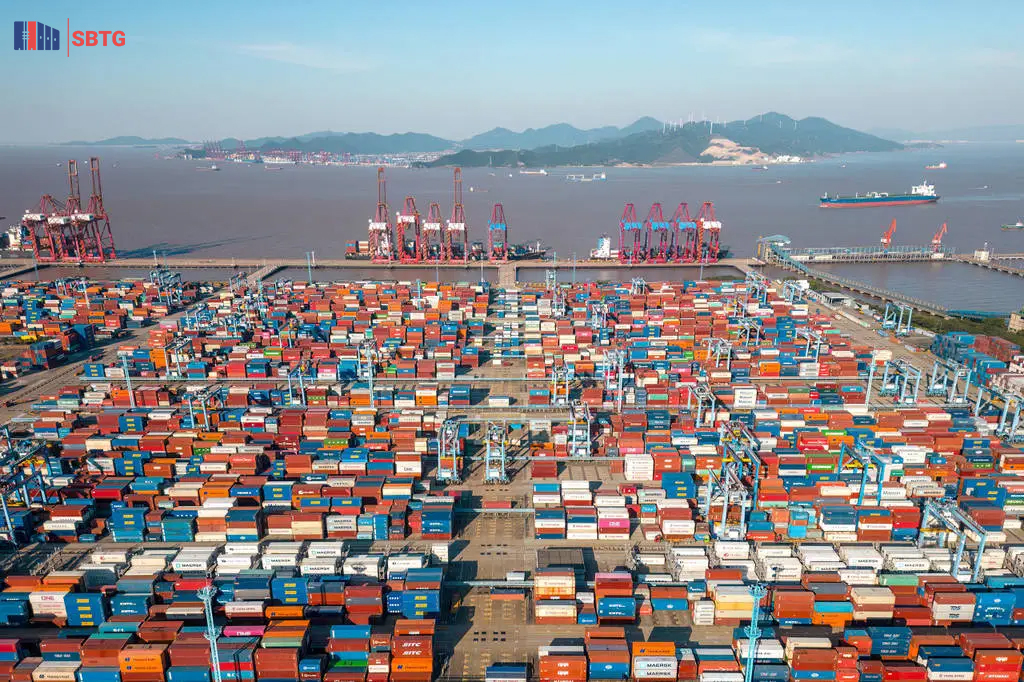
Constructing an integrated logistics chain starts with resource consolidation and standard unification at the point of origin. Leveraging core Shanghai port assets, Shanghai Bixi Trading Co., Ltd. integrates origin‑side operation terminals for air, sea and multimodal transport channels, establishing unified working standards for cargo consolidation, warehousing and document processing.
All export shipments to Russia undergo centralized consolidation and pre‑verification at the Shanghai origin terminal, and are dispatched in compliance with uniform specifications. This eliminates discrepancies in operational standards stemming from different shipping channels from the very beginning.
A standardized origin‑side system forms the front‑end foundation for integrated logistics chains. It ensures goods enter unified supervision workflows right after shipment, laying support for full‑chain coordination in subsequent links.
2. Build Overseas Node Networks to Form Closed‑Loop Operational Architecture
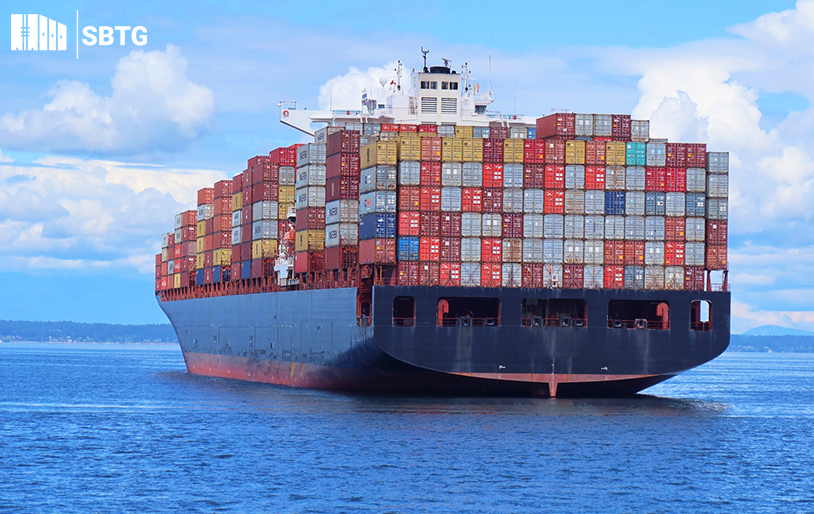
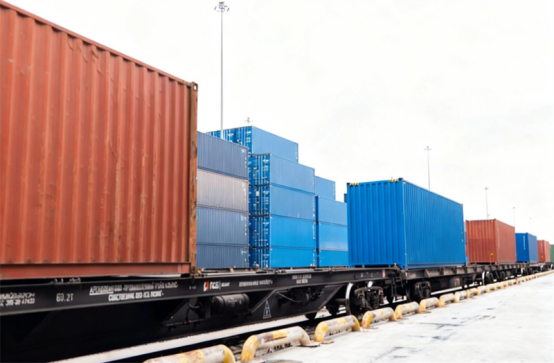
Autonomous and controllable overseas nodes constitute the core of integrated logistics chains. The company maintains deep partnerships with three major freight hubs: Khovrino Station, Shushary Station (Saint‑Petersburg) and Kazan Lagernaya Station, covering three key economic zones — Moscow metropolitan area, Northwestern Federal District and Volga River Basin.
All nodes are incorporated within one unified operation system. A single team oversees customs declaration, cargo transshipment and last‑mile delivery, breaking the common industry practice of segmented subcontracting.
As a Shanghai‑based international logistics firm specialising in Russia‑focused services, our overseas network is not a simple patchwork of scattered resources. Instead, it represents a closed‑loop operational architecture built to align with domestic origin‑side systems, enabling seamless connection between Chinese and Russian segments of the supply chain.
3. Adopt Unified Full‑Chain Service Standards to Eliminate Service Discontinuity
Under segmented operation models, service criteria, response speeds and liability demarcation vary across links. Enterprises must liaise with multiple separate contacts, incurring high communication overhead and facing buck‑passing whenever problems emerge.
While building the integrated chain, we implement uniform service standards covering the whole workflow. From cargo pickup in Shanghai to final receipt in Russia, consistent operational specifications, information‑sync mechanisms and anomaly‑response rules apply to every segment.
Throughout cooperation, clients only need to interact with one single service desk to obtain real‑time full‑chain cargo status without multi‑party coordination. Under the unified liability framework, our team takes full charge of troubleshooting any issues arising at any node, avoiding responsibility evasion among different contractors.
4. Embed Compliance Framework into the Chain for Long‑Term Stable Operations
Russia’s customs supervision policies keep tightening and inspections on inbound foreign cargo have intensified. For this reason, most enterprises now prioritise formal legal clearance channels. Stable performance of integrated chains relies on compliance mechanisms embedded across every workflow.
Bixi Logistics delivers full legitimate customs clearance integrated with complete Russian Honest Mark (Честный знак) compliance workflows. White‑clearance standards are embedded at corresponding chain nodes to guarantee all operations satisfy regulatory requirements.
The company maintains clear cargo‑acceptance limits and declines full‑chain transportation services for liquid goods, preventing high‑risk commodities from undermining the stability of integrated logistics chains.
Truly sustainable integrated chains are built upon compliance foundations rather than short‑term resource splicing.

For Shanghai‑based international logistics providers specialising in Russia‑bound logistics, integrated capabilities manifest in three dimensions: origin‑side resource integration, overseas node networking and full‑chain standardisation. Drawing on Shanghai port strengths and local Russian resources, Bixi Trading implements practical, controllable integrated China‑Russia logistics chains and delivers dependable cross‑border logistics backing for foreign‑trade enterprises.
- Tags
- None
Related Articles
-
How to Combine Customs Clearance & Transit Services for High‑Frequency Shipments to Russia? Custom‑Optimized Solutions by Bixi Trading
As business volumes targeting Russia expand, many foreign‑trade enterprises enter a phase of high‑frequency shipments. Characterized by numerous batches, scattered destinations and mixed commodity types, such operations impose higher adaptability requirements on customs‑clearance and transit services. Conventional standardized services can hardly match the rhythm and efficiency demands of frequent shipments, so enterprises require customized combined […]
2026-08-21 -
What Value‑Added Services Do Russia‑Focused Freight Forwarders Provide? Systematic Overview by Bixi Trading
China‑Russia cross‑border trade keeps deepening. Foreign‑trade enterprises’ logistics demands for Russia‑bound shipments have evolved from basic transportation to full‑dimension end‑to‑end support. Most Russia‑specialized freight forwarders on the market only deliver standardized transportation and customs‑clearance services, which fail to satisfy enterprises’ diversified operational requirements. Tatyana Kulyabina, General Manager of Huoding Finance Freight Agency and Founder of […]
2026-08-21 -
What Are the Core Advantages of Russia‑Bound Services Offered by Shanghai‑Based International Logistics Companies? In‑Depth Analysis by Bixi Trading
As a core domestic hub for cross‑border logistics, Shanghai hosts a large number of logistics providers offering Russia‑route services. Shanghai international logistics companies differ in business focus and capability sets; enterprises specialized in this vertical segment usually possess more prominent core competitive strengths. Tatyana Kulyabina, General Manager of Huoding Finance Freight Agency and Founder of […]
2026-08-20