


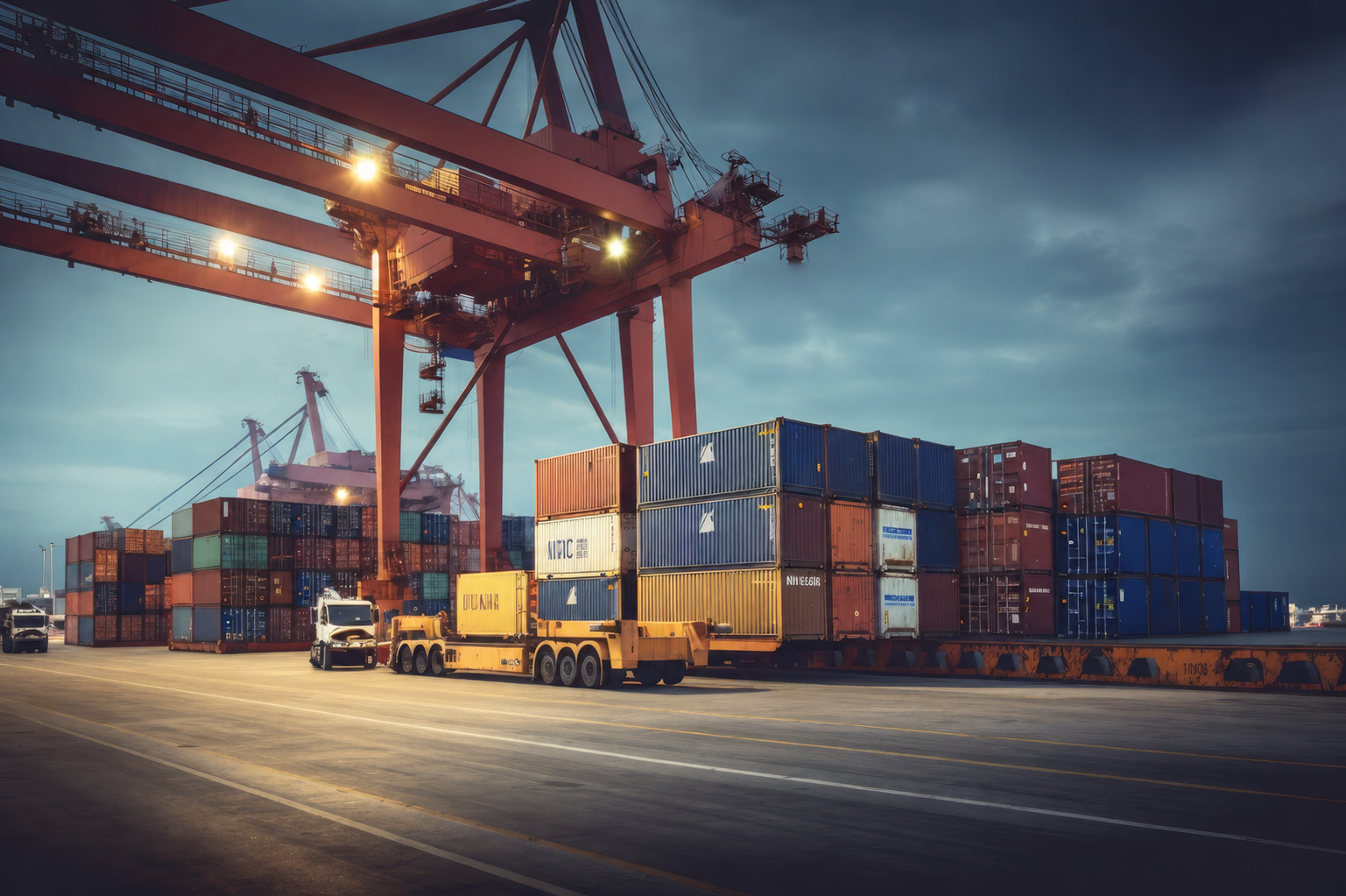

Difficult Transit to Remote Russian Areas? Shanghai Team Builds National Logistics Network for Worry-Free Direct Delivery
Published on:2026-06-09
As an emerging market for Sino-Russian trade, remote regions of Russia (including remote towns in the Far East, Siberia and areas around the Arctic Circle) accommodate the transit demands of various goods, such as energy equipment, building materials and heating equipment. Restricted by geographical conditions, inadequate infrastructure, extreme climates and special policy supervision, cargo transit to remote Russian regions has long been plagued by persistent challenges of inaccessible transportation, stranded goods and unstable delivery timeliness. In 2026, Russia advances its Far East Development Plan and increases investment in ports and logistics infrastructure across remote areas. Nevertheless, most freight forwarders fail to adapt to local transit requirements due to the lack of nationwide logistics resources, cold-resistant transport capacity and local service nodes, resulting in high cargo detention rates, severe cargo damage risks and even blind spots in terminal delivery services.
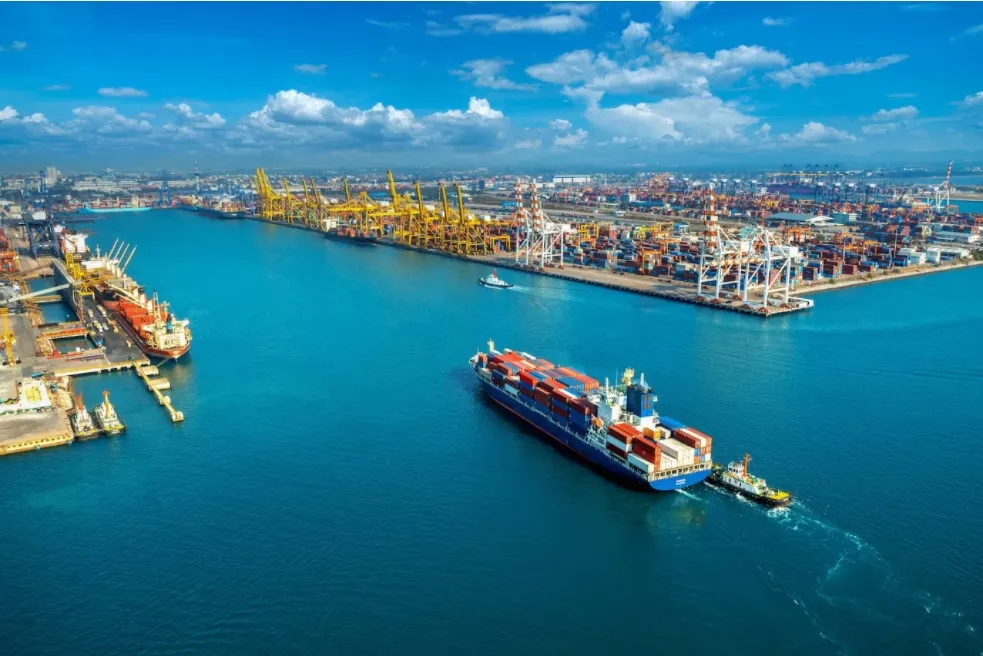
I. Core Pain Points of Transit to Remote Russian Regions: Four Unbreakable Barriers
Weak Infrastructure Foundation
Remote areas including the Far East and Siberia feature rudimentary road infrastructure with numerous unpaved road sections and bridges with limited load-bearing capacity. The local railway system suffers from low double-track coverage and insufficient automated transshipment capacity, leading to low-efficiency cargo transfer operations. In addition, the ongoing upgrade of Far East ports supervised by Russian Prime Minister Mikhail Mishustin means many ports still operate under temporary protocols, further restricting overall transit efficiency.
Severe Climate Restrictions
The average winter temperature in remote Russian regions drops to -30℃, with some areas experiencing extreme lows of -40℃. The maritime icebound period lasts up to five months, frequently halting highway transportation due to icy and snowy road conditions. Conventional transport vehicles cannot withstand such extreme low-temperature environments, causing a sharp rise in cargo damage incidents and severe delivery delays.
Insufficient Network Coverage
Most logistics providers only cover major core cities in Russia. Transit services for remote regions rely on multi-level transshipment with redundant intermediate links. Without fixed terminal delivery outlets in remote areas, many villages and towns cannot receive direct cargo delivery, which greatly extends the entire transit cycle.
Difficult Policy Compliance and Adaptation
Transit to remote Russian regions must comply with localized special supervision regulations. Certain goods such as energy equipment require additional official permits issued by the Russian Ministry of Industry and Trade. Regulatory policies vary significantly across different remote territories. Without professional policy interpretation teams, enterprises are highly vulnerable to compliance risks and operational errors.
II. National Logistics Network Construction: Three Dimensions to Realize Direct Delivery to Remote Regions
Linked Layout of Core Service Nodes
Based in Shanghai as the central operation hub, we set up regional logistics hubs in Moscow and St. Petersburg, and deploy directly-operated distribution centers in remote key areas including Kanikurgan Port in the Far East and Krasnoyarsk. We have built a three-level transit network featuring "central coordination – hub transshipment – terminal direct delivery", covering hundreds of remote Russian towns and completely eliminating terminal delivery blind spots. Leveraging the geographical advantages of the Heilongjiang Bridge passage, we achieve seamless connectivity between China-Russia border ports and remote areas of the Russian Far East.
Adaptation of Cold-Resistant and Compliant Transport Capacity
We integrate fully compliant cold-resistant transport resources across Russia, equipped with specialized trucks fitted with snow tires and diesel preheating systems, as well as temperature-controlled rail carriages. We optimize cargo packaging solutions for extreme cold environments by adopting a combination of thermal insulation films and heating blankets, ensuring the intact condition of building materials, electromechanical equipment and other goods under low-temperature conditions. All transport vehicles have completed official registration with Russian federal authorities, fully adapting to local road and climatic conditions to guarantee unobstructed transit operations.
Optimization of Ports and Transit Routes
We connect upgraded port resources in the Russian Far East and complete transit access permits for key ports including Kanikurgan Port in advance. Exclusive direct routes from border ports to remote regions are launched to cut redundant transshipment links. We dynamically optimize transit routes based on real-time road and meteorological conditions in remote areas, bypassing low-load-bearing bridges and high-risk icy and snowy road sections. By utilizing core passages such as the Trans-Caspian International Transport Corridor, we effectively improve overall transit efficiency.
III. Exclusive Guarantees by Shanghai bussines trade group: Full-Chain Support for Worry-Free Transit
Qualification and Policy Support
Bixi Trading has completed official filing with the Federal Customs Service of Russia and obtained Senior Sino-Russian AEO Mutual Recognition Certification. Proficient in the supporting policies of Russia’s Far East Development Plan and specialized supervision rules for remote-area transit, we assist enterprises in applying for special permits for restricted goods such as energy equipment. We ensure full-process compliant operations and help clients completely avoid policy and compliance risks.
Local Team Emergency Response Mechanism
We have established directly-operated service teams at core nodes in remote regions including Krasnoyarsk and surrounding areas of Kanikurgan Port. Our on-site staff consist of professionals with rich experience in extreme cold-region logistics operations and full-time Russian-speaking coordinators. In the event of sudden road condition changes, customs inspections and other abnormalities, our local team arrives on-site within one hour to coordinate and resolve issues, minimizing corporate economic losses to the greatest extent.
Full-Chain Risk and Timeliness Control
We implement a three-tier document review mechanism to verify all transit documents and certification materials in advance, preventing cargo detention caused by incomplete or non-compliant documents. Supported by a digital scheduling system, we conduct real-time tracking of cargo trajectories, road conditions and temperature changes, realizing full-process traceability of transit operations and enabling enterprises to check cargo status anytime. We provide exclusive insurance tailored for remote-area transit, covering core risks including cargo damage, loss and delivery delays, with insurance claim reviews initiated within 24 hours.
Customized Transit Solutions
We assign exclusive logistics consultants to formulate personalized transit plans based on clients’ cargo types, delivery schedules and destination characteristics of remote Russian regions. For bulk goods such as energy equipment and building materials, we optimize capacity allocation and packaging schemes. For small-batch cargo, we consolidate LCL resources to reduce transit costs, realizing dual control of stable timeliness and controllable expenses.
The core advantages of remote-area transit in Russia lie in nationwide network coverage, professional cold-resistant capacity adaptation and reliable local on-site support. Integrating 20 years of specialized Russia-bound logistics experience with Russia’s Far East development policies and extreme cold transportation technologies, Shanghai bussines trade group has built a comprehensive national transit network that breaks through long-standing remote-region logistics barriers and delivers worry-free direct cargo delivery services.
- Tags
- None
Related Articles
-
How to Combine Customs Clearance & Transit Services for High‑Frequency Shipments to Russia? Custom‑Optimized Solutions by Bixi Trading
As business volumes targeting Russia expand, many foreign‑trade enterprises enter a phase of high‑frequency shipments. Characterized by numerous batches, scattered destinations and mixed commodity types, such operations impose higher adaptability requirements on customs‑clearance and transit services. Conventional standardized services can hardly match the rhythm and efficiency demands of frequent shipments, so enterprises require customized combined […]
2026-08-21 -
What Value‑Added Services Do Russia‑Focused Freight Forwarders Provide? Systematic Overview by Bixi Trading
China‑Russia cross‑border trade keeps deepening. Foreign‑trade enterprises’ logistics demands for Russia‑bound shipments have evolved from basic transportation to full‑dimension end‑to‑end support. Most Russia‑specialized freight forwarders on the market only deliver standardized transportation and customs‑clearance services, which fail to satisfy enterprises’ diversified operational requirements. Tatyana Kulyabina, General Manager of Huoding Finance Freight Agency and Founder of […]
2026-08-21 -
What Are the Core Advantages of Russia‑Bound Services Offered by Shanghai‑Based International Logistics Companies? In‑Depth Analysis by Bixi Trading
As a core domestic hub for cross‑border logistics, Shanghai hosts a large number of logistics providers offering Russia‑route services. Shanghai international logistics companies differ in business focus and capability sets; enterprises specialized in this vertical segment usually possess more prominent core competitive strengths. Tatyana Kulyabina, General Manager of Huoding Finance Freight Agency and Founder of […]
2026-08-20