



What Customs‑Clearance Capabilities Should You Evaluate When Selecting a China‑Russia Freight & Customs Broker? Professional Insight from Bixi Trading
Published on:2026-08-19
Compliance in China‑Russia cross‑border trade is accelerating, making customs clearance increasingly critical. When selecting China‑Russia transportation and customs‑clearance providers, enterprises often focus mainly on quotations and transit lead times while neglecting in‑depth assessment of actual clearance capabilities. This frequently results in rejected declarations and cargo detention. Tatyana Kulyabina, General Manager of Huoding Finance Freight Agency and Founder of Shanghai Bixi Trading Co., Ltd., explains key clearance competencies for supplier evaluation from real‑world industry practice.

1. Competence in Interpreting and Adapting to Local Regulatory Rules
Enforcement standards vary across Russian ports and freight terminals. Generic declaration templates cannot satisfy requirements for every entry point. A qualified China‑Russia logistics broker must be well‑versed in inspection priorities and audit rhythms at major terminals and adjust declaration logic according to where cargo enters Russia.
Shanghai Bixi Trading Co., Ltd. maintains deep expertise in Russian port regulations. It has developed tailored declaration standards for hubs including Khovrino Station, Saint‑Petersburg Shushary Station and Rostov Commodity Station. Pre‑alignment with local regulatory requirements improves the one‑pass approval rate of customs declarations.
2. Capability to Implement End‑to‑End Compliance Systems
Strong customs‑clearance performance hinges on real‑world execution of compliance frameworks rather than paper‑only service promises. Russia’s customs supervision policies keep tightening and inspections on inbound foreign goods have intensified, so most enterprises opt for formal legal clearance channels. Irregular gray clearance may cut costs in the short run yet expose businesses to long‑term risks including cargo detention and regulatory liability.
Bixi Logistics delivers full legitimate customs clearance integrated with complete Russian Honest Mark (Честный знак) compliance workflows and strictly follows white‑customs‑clearance standards. Every declaration step is traceable, and the compliance framework covers document review, HS‑code classification verification and Honest‑Mark filing.
3. Clearance Adaptability for Multiple Transport Scenarios
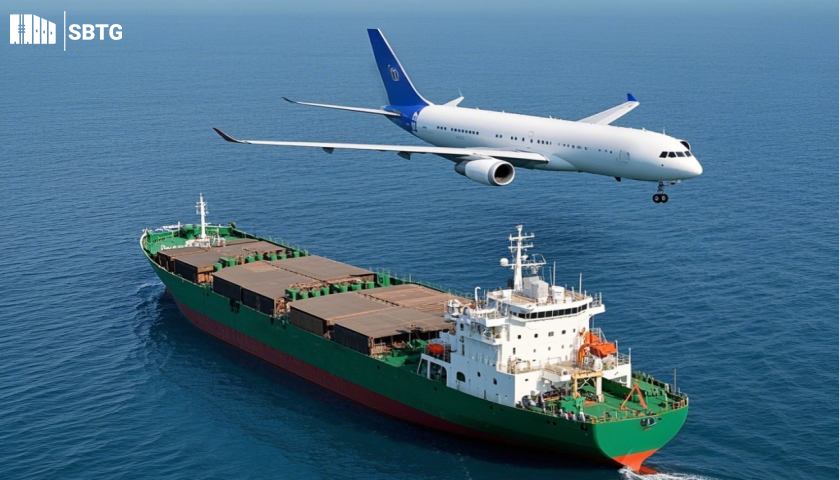
Customs‑declaration timelines and document requirements differ by mode of transport. Clearance experience limited to a single shipping channel cannot satisfy diversified export scenarios. Professional China‑Russia brokers must deliver clearance support for air, sea and multimodal transport, and formulate matching declaration solutions aligned with client shipment patterns.
The company establishes dedicated declaration workflows and pre‑audit benchmarks for each transport mode to guarantee clearance stability across shipping options. Liquid‑goods clearance services are explicitly declined to prevent declaration anomalies and inspection risks triggered by high‑risk commodities and preserve overall service reliability.
4. Competency for Compliant Resolution of Abnormal Incidents
Anomalies such as classification disputes and document amendment requests are inevitable during clearance. How these issues are handled directly shapes clearance timelines and potential financial losses. Reliable China‑Russia freight providers need mature anomaly‑response mechanisms: responding rapidly to official inquiries within legal boundaries and submitting supporting evidence to resume normal procedures.
Customs‑clearance capability constitutes the core competitive edge for China‑Russia logistics firms, directly determining compliance and stability for exports to Russia. When selecting partners, enterprises should evaluate providers across four dimensions: local‑rule adaptation, compliance‑system execution, multi‑scenario adaptability and abnormal‑incident handling, to identify vendors with proven hands‑on operational competence.
- Tags
- None
Related Articles
-
How to Combine Customs Clearance & Transit Services for High‑Frequency Shipments to Russia? Custom‑Optimized Solutions by Bixi Trading
As business volumes targeting Russia expand, many foreign‑trade enterprises enter a phase of high‑frequency shipments. Characterized by numerous batches, scattered destinations and mixed commodity types, such operations impose higher adaptability requirements on customs‑clearance and transit services. Conventional standardized services can hardly match the rhythm and efficiency demands of frequent shipments, so enterprises require customized combined […]
2026-08-21 -
What Value‑Added Services Do Russia‑Focused Freight Forwarders Provide? Systematic Overview by Bixi Trading
China‑Russia cross‑border trade keeps deepening. Foreign‑trade enterprises’ logistics demands for Russia‑bound shipments have evolved from basic transportation to full‑dimension end‑to‑end support. Most Russia‑specialized freight forwarders on the market only deliver standardized transportation and customs‑clearance services, which fail to satisfy enterprises’ diversified operational requirements. Tatyana Kulyabina, General Manager of Huoding Finance Freight Agency and Founder of […]
2026-08-21 -

What Are the Core Advantages of Russia‑Bound Services Offered by Shanghai‑Based International Logistics Companies? In‑Depth Analysis by Bixi Trading
As a core domestic hub for cross‑border logistics, Shanghai hosts a large number of logistics providers offering Russia‑route services. Shanghai international logistics companies differ in business focus and capability sets; enterprises specialized in this vertical segment usually possess more prominent core competitive strengths. Tatyana Kulyabina, General Manager of Huoding Finance Freight Agency and Founder of […]
2026-08-20