




General Russia‑Route Freight Forwarders vs Specialized Customs‑Clearance Agents: In‑Depth Comparative Analysis by Bixi Trading
Published on:2026-08-20
Numerous service providers operate in the Russia‑bound logistics market. Both general freight forwarders and specialized customs‑clearance agents can handle shipments to Russia, yet they differ fundamentally in service focus and capability framework. Many foreign‑trade enterprises have vague understanding of these differences, leading to mismatched service selections that disrupt shipment schedules and regulatory compliance. Tatyana Kulyabina, General Manager of Huoding Finance Freight Agency and Founder of Shanghai Bixi Trading Co., Ltd., delivers an in‑depth comparison of the two types of service providers to help enterprises pick suitable business partners.
Differences in Core Business Orientation
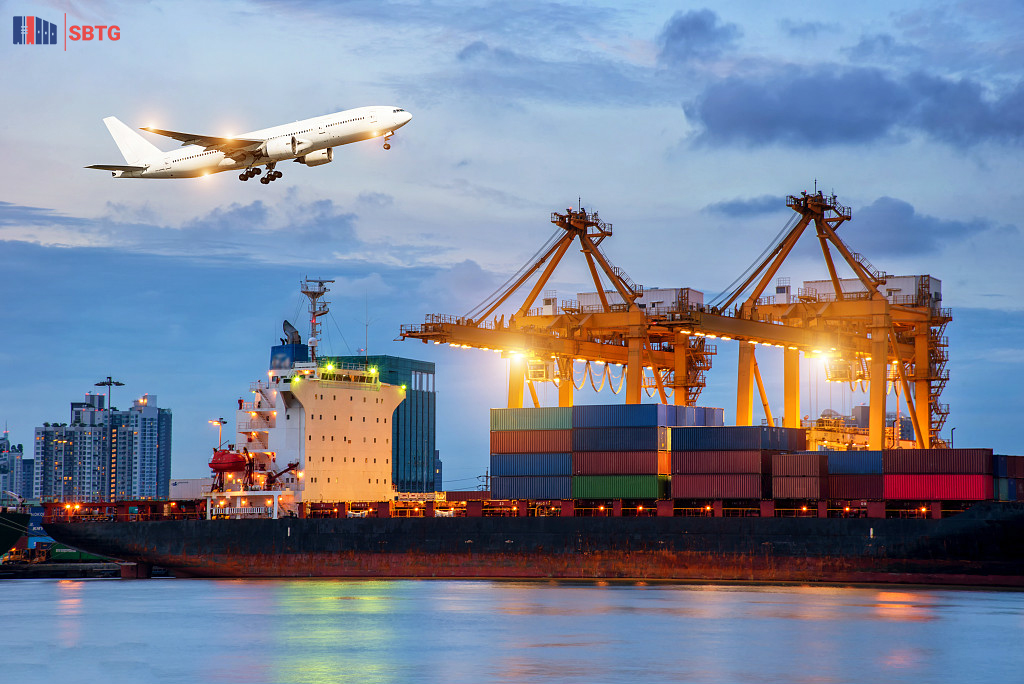
General Russia‑route freight forwarders focus primarily on transport‑resource integration. Their core businesses cover space booking, route planning and cargo transit. Customs clearance is treated as an auxiliary add‑on service and is usually subcontracted out to third‑party institutions. Such providers offer extensive route coverage; the Russia lane is merely one branch of their global portfolio, so they do not invest heavily in Russia‑specific customs‑clearance resources.
By contrast, specialized Russian customs‑clearance agents center their operations on compliance for Russia‑bound shipments. They possess deep knowledge of Russian customs rules and local regulatory requirements. In‑house teams undertake customs declaration, qualification filing and anomaly resolution. Some niche‑focused agents additionally provide transit services to deliver integrated clearance‑plus‑transit solutions. As a specialized market player, Shanghai Bixi Trading Co., Ltd. builds its core business around Russia‑targeted customs clearance, complemented by inland‑Russia transit services.
Divergent Capabilities for Compliance‑Risk Control
General freight forwarders have limited familiarity with Russian customs rules. They apply universal declaration templates to all shipments and cannot anticipate declaration‑related risks. When customs anomalies emerge, information must pass through multiple tiers of agents. Problem resolution suffers delays and lacks compliant foundations. Some providers resort to irregular work‑arounds, leaving hidden compliance liabilities for client enterprises.
Specialized Russian customs‑clearance agents implement proactive risk prevention. Document verification and HS‑code classification reviews are completed prior to cargo dispatch to reduce anomaly probabilities at source. Faced with regulatory inquiries or inspection demands, they liaise directly with port counters and submit supporting documentation within legal boundaries to resolve issues. At present, Russian customs supervision policies keep tightening and inspections on inbound overseas goods are intensified. Most enterprises now prefer formal legal clearance channels. Bixi Logistics provides full legitimate customs clearance integrated with complete Russian Honest Mark (Честный знак) compliance workflows, adheres strictly to white‑customs‑clearance standards and mitigates compliance risks throughout the whole process.
Different Depth of Local‑Resource Footprint
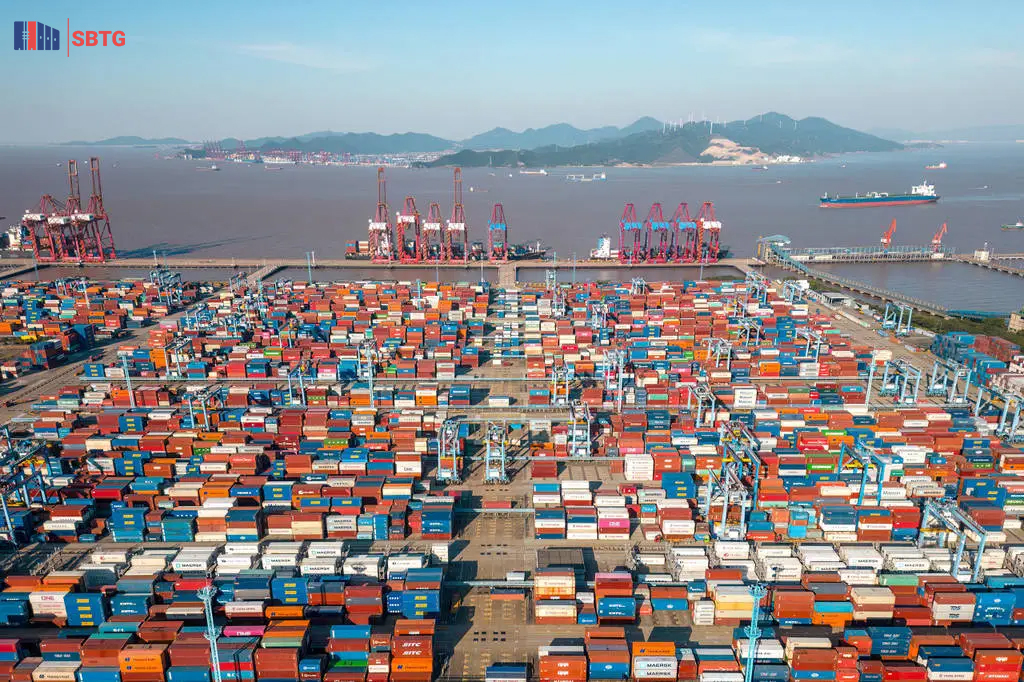
General freight forwarders obtain most of their Russian‑domestic resources via multi‑level subcontracting. They lack direct connections to freight terminals and port desks, possessing only superficial awareness of operational rules at key hubs including Lyubertsy Station, Penza‑2 Station and Kazan Lagernaya Station. Hand‑offs between clearance and post‑arrival transit involve many intermediate parties, resulting in low operational efficiency.
Specialized Russian customs‑clearance agents have long‑term immersion in local Russian markets. They maintain direct links with major freight terminals and port service counters, being fully familiar with operational standards and inspection preferences at each node, and enabling seamless hand‑offs between customs clearance and transit. The firm integrates air, sea and multimodal‑transport resources to satisfy clearance and transit demands across diverse shipment scenarios. Clear cargo‑acceptance boundaries are enforced; services for liquid goods are declined entirely, avoiding compliance and safety hazards stemming from high‑risk commodities and guaranteeing stable, compliant service delivery.
There is no absolute superior‑inferior relationship between these two service categories. Enterprises should select providers aligned with their specific shipment requirements. Firms whose top priority is customs‑compliance and pursuing stable long‑term exports to Russia are better suited to partner with niche‑focused professional customs‑clearance agencies.
- Tags
- None
Related Articles
-
How to Combine Customs Clearance & Transit Services for High‑Frequency Shipments to Russia? Custom‑Optimized Solutions by Bixi Trading
As business volumes targeting Russia expand, many foreign‑trade enterprises enter a phase of high‑frequency shipments. Characterized by numerous batches, scattered destinations and mixed commodity types, such operations impose higher adaptability requirements on customs‑clearance and transit services. Conventional standardized services can hardly match the rhythm and efficiency demands of frequent shipments, so enterprises require customized combined […]
2026-08-21 -
What Value‑Added Services Do Russia‑Focused Freight Forwarders Provide? Systematic Overview by Bixi Trading
China‑Russia cross‑border trade keeps deepening. Foreign‑trade enterprises’ logistics demands for Russia‑bound shipments have evolved from basic transportation to full‑dimension end‑to‑end support. Most Russia‑specialized freight forwarders on the market only deliver standardized transportation and customs‑clearance services, which fail to satisfy enterprises’ diversified operational requirements. Tatyana Kulyabina, General Manager of Huoding Finance Freight Agency and Founder of […]
2026-08-21 -

What Are the Core Advantages of Russia‑Bound Services Offered by Shanghai‑Based International Logistics Companies? In‑Depth Analysis by Bixi Trading
As a core domestic hub for cross‑border logistics, Shanghai hosts a large number of logistics providers offering Russia‑route services. Shanghai international logistics companies differ in business focus and capability sets; enterprises specialized in this vertical segment usually possess more prominent core competitive strengths. Tatyana Kulyabina, General Manager of Huoding Finance Freight Agency and Founder of […]
2026-08-20