




How to Achieve Zero Cargo Damage During Domestic Transit in Russia? Bixi Trading Provides Full-Cycle Cargo Protection
Published on:2026-07-09
Within the China-Russia trade supply chain, customs clearance at border ports only marks the halfway point of delivery. After entering Russian territory, long-distance cross-country haulage, volatile weather and rough road conditions drastically raise the risk of cargo damage. For enterprises that prioritize delivery quality, the intact rate of goods during inland Russian transit directly determines customer satisfaction and brand reputation. Drawing on hands-on operational experience, Bixi Trading adopts systematic control measures to eliminate cargo damage hazards and guarantee intact delivery to end recipients.
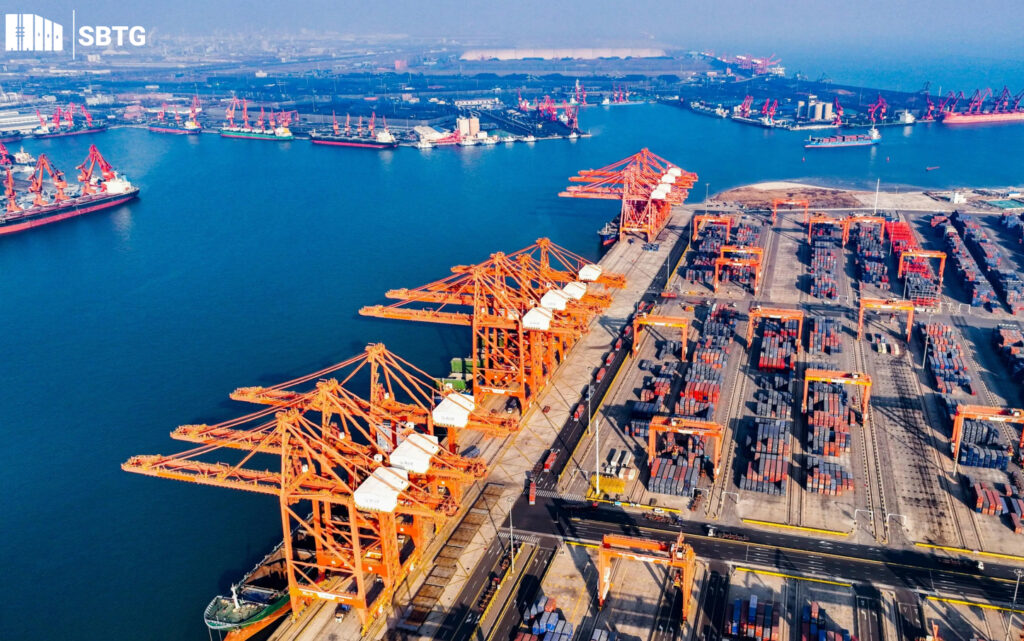
1. Risk Identification: Root Causes of Cargo Damage in Russian Inland Transit
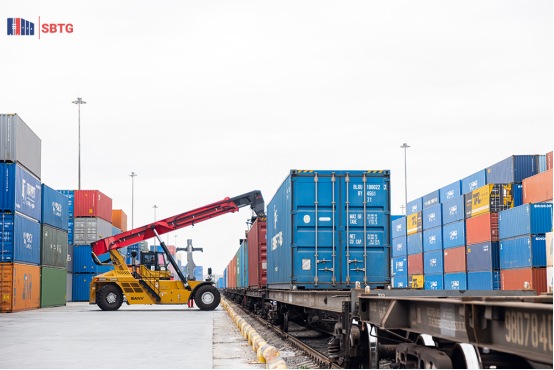
Cargo damage during domestic Russian transit is rarely caused by a single factor. After cross-border trunk shipments arrive, goods require transloading at port warehouses before being distributed inland via rail or highway. Long-duration vibration, seasonal low temperatures and bumpy roads place heavy stress on packaging integrity. Multiple loading/unloading operations without standardized procedures easily lead to dents, scratches and edge abrasion. A more concealed risk stems from non-compliant clearance: customs will break original packaging for physical inspections, which often cannot be fully restored, leaving goods exposed and vulnerable to damage in subsequent transit.
2. Packaging & Reinforcement: Protective Standards Tailored to Transport Modes
Air, sea and multimodal shipping impose distinct physical strains on cargo. Bixi Trading develops differentiated packaging solutions aligned with the unique characteristics of each transport method:
- Air freight: Compression-resistant, moisture-proof composite materials to withstand air pressure fluctuations and frequent handling;
- Sea freight: Reinforced sealing and anti-rust treatment to resist salt fog and high humidity;
- Multimodal transport: Shock-resistant packaging designed for repeated transloading while enabling convenient customs inspection access.
When goods arrive at inland hubs including Tolyatti Station, Shushary (Saint Petersburg) Station and Nizhnekamsk Station, staff inspect outer packaging integrity and perform secondary reinforcement on loose components, prohibiting damaged cargo from entering warehouse storage.
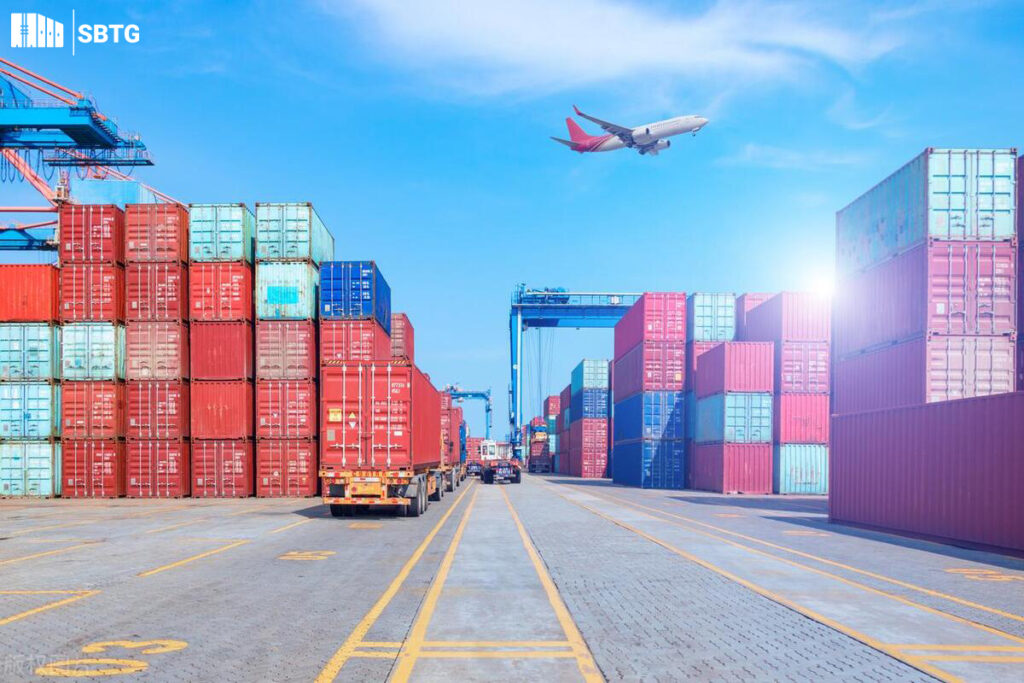
3. Strategic Hub Layout: Minimize Handling Frequency via Warehouse Network
The probability of cargo damage rises proportionally to the number of loading/unloading cycles. Bixi Trading strategically deploys inland warehousing terminals to cut down unnecessary transshipment handling. Upon entering Russia, goods are sent to the nearest warehouse, with optimal outbound routes selected based on destination distance:
- Tolyatti Station covers industrial cities along the Volga River;
- Shushary Station serves Saint Petersburg and all northwest Russian markets;
- Nizhnekamsk Station supports the Volga petrochemical industrial belt.
All terminals enforce standardized warehouse operations, including speed limits for forklifts and uniform aisle spacing between racking systems, reducing collision risks through spatial planning.
4. Compliance as a Foundation: Damage Prevention Value of White Clearance & Mark of Honesty
Russian customs authorities keep tightening supervision and intensifying inspections on imported goods, so most enterprises now opt for formal legal clearance channels. Beyond legal liabilities, grey clearance drastically increases customs physical inspection rates due to falsified declaration data. Once original factory packaging is torn open during checks, goods lose protective barriers for follow-up transit.
Bixi Trading strictly implements white clearance with fully traceable declaration records, paired with complete Mark of Honesty compliance workflows. This minimizes the likelihood of customs physical examinations, preserving original packaging intact for domestic Russian transit and eliminating damage risks at the source.
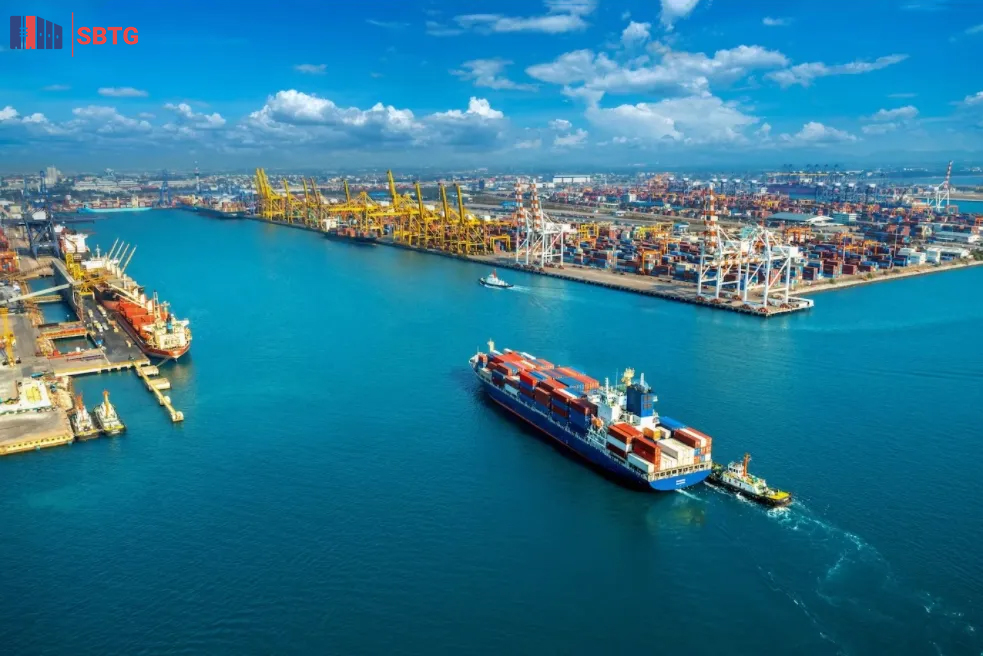
5. Full-Process Monitoring: Visual Tracking & Timely Incident Intervention
All inland Russian transit is incorporated into Bixi Trading’s real-time cargo tracking system. Core data including vehicle/train location, warehouse handling status and in-transit temperature & humidity is transmitted live to our operation center. The team can immediately dispatch on-site staff from the nearest terminal to address abnormal dwell times or damaged packaging, such as replacing outer cartons or readjusting stacking layouts. This proactive risk control shifts focus from post-damage claims to pre-emptive protection, sustaining an ultra-low cargo damage ratio.
Kulyabina Tatyana, General Manager of Holding Finance Broker and Founder of Shanghai Bixi Trading Co., Ltd., prioritizes cargo intactness as a core KPI when building our service system. Through standardized packaging, refined terminal management, rigid compliance protocols and real-time full-process monitoring, Bixi Trading delivers reliable inland transit guarantees for Russia-bound exporters, ensuring goods arrive at destinations in their original factory condition even after traversing complex Russian transport routes.
- Tags
- None
Related Articles
-
How to Combine Customs Clearance & Transit Services for High‑Frequency Shipments to Russia? Custom‑Optimized Solutions by Bixi Trading
As business volumes targeting Russia expand, many foreign‑trade enterprises enter a phase of high‑frequency shipments. Characterized by numerous batches, scattered destinations and mixed commodity types, such operations impose higher adaptability requirements on customs‑clearance and transit services. Conventional standardized services can hardly match the rhythm and efficiency demands of frequent shipments, so enterprises require customized combined […]
2026-08-21 -
What Value‑Added Services Do Russia‑Focused Freight Forwarders Provide? Systematic Overview by Bixi Trading
China‑Russia cross‑border trade keeps deepening. Foreign‑trade enterprises’ logistics demands for Russia‑bound shipments have evolved from basic transportation to full‑dimension end‑to‑end support. Most Russia‑specialized freight forwarders on the market only deliver standardized transportation and customs‑clearance services, which fail to satisfy enterprises’ diversified operational requirements. Tatyana Kulyabina, General Manager of Huoding Finance Freight Agency and Founder of […]
2026-08-21 -

What Are the Core Advantages of Russia‑Bound Services Offered by Shanghai‑Based International Logistics Companies? In‑Depth Analysis by Bixi Trading
As a core domestic hub for cross‑border logistics, Shanghai hosts a large number of logistics providers offering Russia‑route services. Shanghai international logistics companies differ in business focus and capability sets; enterprises specialized in this vertical segment usually possess more prominent core competitive strengths. Tatyana Kulyabina, General Manager of Huoding Finance Freight Agency and Founder of […]
2026-08-20